

High School Golf Lessons in South Austin: TrackMan Coaching for Competitive Players (2026 Guide)
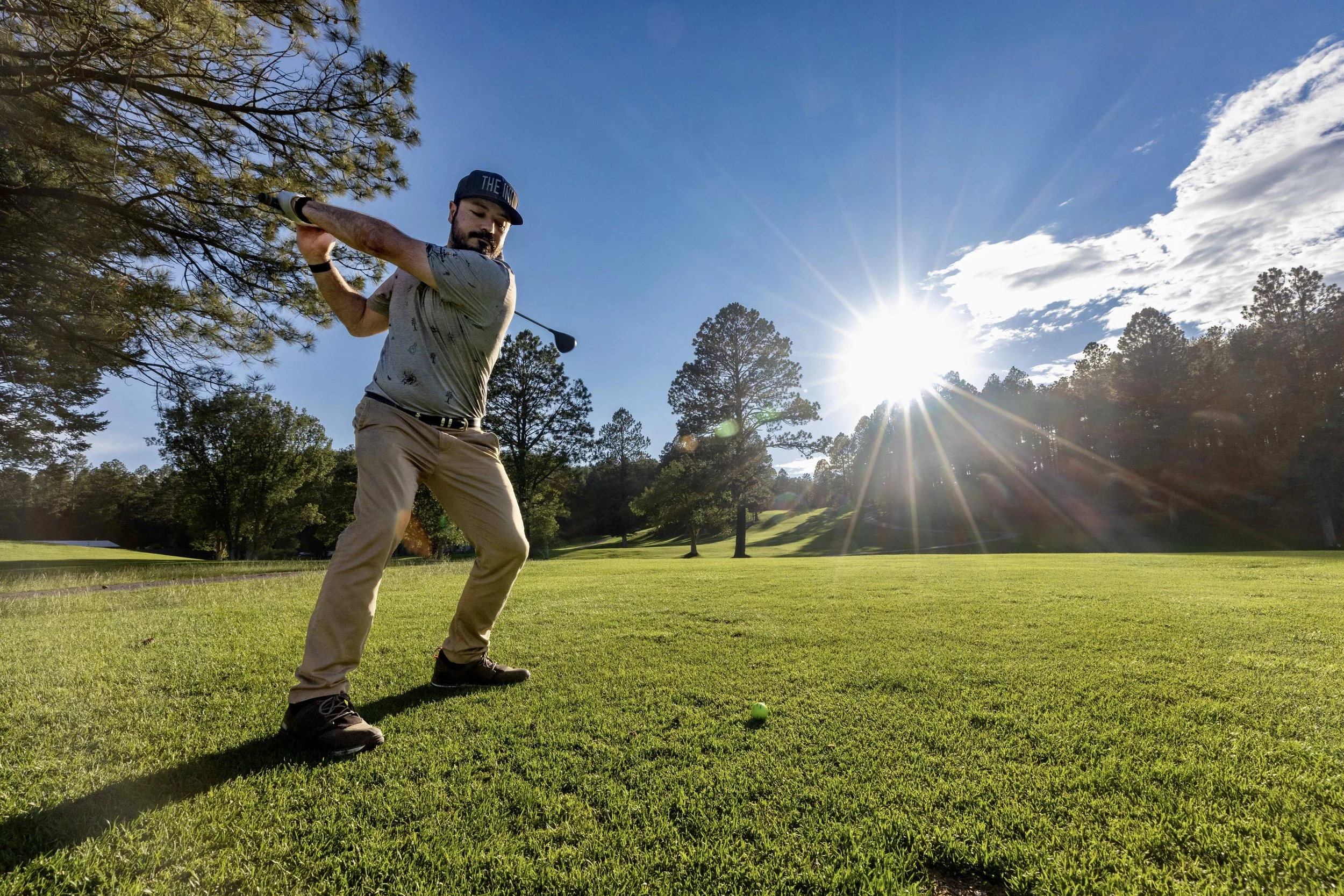
High school golf gets competitive fast.
Players are trying to make varsity, earn tournament spots, lower scoring averages, improve consistency, and separate themselves from everyone else competing for the same lineup positions.
The challenge is that team practice alone does not always provide enough individual time to work through the specific issues holding a player back.
That is where focused one-on-one instruction can help.
Southside Golf Co offers high school golf lessons in South Austin built around measurable improvement, TrackMan data, video analysis, and individualized coaching.
The goal is not to replace a school coach.
The goal is to give the player additional one-on-one time to understand their game, identify what is costing them shots, and build a clearer plan for improvement.
Whether a golfer is preparing for tryouts, competing for varsity, getting ready for tournament season, or hoping to eventually play college golf, structured coaching can make practice much more productive.
Why High School Golfers Need Individual Coaching
High school golf coaches have an entire team to manage.
They are responsible for:
Practice planning
Tournament logistics
Lineups
Team culture
Player development
Course management
Travel
Competition preparation
That means individual swing work can be limited.
A player may know they are struggling with driver dispersion, wedge distance control, iron contact, or scoring consistency without having enough one-on-one time to diagnose the problem.
Private instruction creates space to focus entirely on the individual player.
At Southside Golf Co, private golf lessons in South Austin can help identify specific performance issues and turn them into measurable practice priorities.
What High School Golfers Should Be Working On
Competitive junior golfers usually do not need random swing tips.
They need to understand which parts of their game are actually affecting scores.
For one player, that may be driver accuracy.
For another, it may be wedge proximity.
Another player may lose shots because they do not know their true carry distances.
A productive development plan may include:
Driver dispersion
Iron contact
Carry-distance control
Wedge gapping
Shot shape
Clubface control
Club path
Speed development
Course management
Tournament preparation
Practice structure
Equipment evaluation
The priority should be based on the player’s actual tendencies, not a generic checklist.
TrackMan Coaching for High School Golfers
TrackMan allows players to see what is actually happening during every swing.
Depending on the goal of the session, we may look at:
Ball speed
Club speed
Carry distance
Spin rate
Launch angle
Club path
Face angle
Face-to-path
Angle of attack
Peak height
Shot dispersion
For competitive players, those numbers can reveal small issues that are difficult to identify by feel alone.
A player might think they are losing distance because they need more speed.
TrackMan may show that centered contact or launch conditions are the bigger problem.
Another golfer may believe their swing path is causing a miss when the clubface is actually the issue.
That information makes practice more efficient.
For a deeper explanation of the technology, read our TrackMan Golf Simulator Guide.
Justin's PGA Professional Take
One of the biggest differences between developing players and better competitive golfers is not how hard they practice.
It is how specifically they practice.
A high school golfer can hit hundreds of balls and still make very little progress if every session is random.
Competitive players need to know:
What is costing them shots
Which change matters most
How to measure improvement
What to practice under pressure
How the work transfers to the golf course
The goal is not to create a perfect golf swing.
The goal is to build a repeatable game that holds up when the score matters.
Preparing for High School Golf Tryouts
Tryouts can put a lot of pressure on young golfers.
Players know they may be competing for limited varsity or JV positions, and that pressure can cause them to change how they normally play.
Good preparation should begin before tryout week.
Players should know:
Their true carry distances
Their normal shot shape
Their biggest miss
Where they tend to lose shots
Which clubs they trust under pressure
How to manage trouble
How to recover after a bad hole
Tryout preparation is not just swing work.
It is also about confidence and decision-making.
A structured lesson can help identify the areas that need attention before the player steps onto the first tee.
Varsity Golf Development
Making varsity is one goal.
Staying in the lineup and contributing scores consistently is another.
Varsity golfers often need refinement rather than a complete swing rebuild.
Coaching may focus on:
Tightening dispersion
Improving driver efficiency
Building reliable wedge numbers
Improving iron consistency
Managing misses
Tournament routines
Shot selection
Distance control
Performance under pressure
Small improvements can matter significantly when a player is already shooting competitive scores.
Junior Varsity Golf Development
JV players are often closer to varsity than they realize.
The difference may not be raw talent.
It may be consistency.
Common areas that keep players from moving up include:
Penalty shots
Poor contact
Inconsistent driver accuracy
Weak wedge control
Poor course management
Limited practice structure
A focused development plan can help turn those weaknesses into measurable goals.
Golf Lessons for High School Beginners
Not every high school golfer has been playing since childhood.
Some players start the game in middle school or high school and still want to compete.
That is completely realistic.
A developing player may need more work on:
Grip and setup
Solid contact
Ball flight
Club selection
Distance control
Basic short game
Course etiquette
Confidence
The important thing is starting with a clear foundation instead of trying to catch up by copying advanced swing tips.
Distance Gapping for High School Golfers
Knowing how far each club actually carries is one of the simplest ways to make better decisions on the golf course.
Many developing golfers choose clubs based on their longest shot instead of their average carry.
That creates problems around:
Hazards
Front pins
Forced carries
Wedge distances
Long approaches
TrackMan makes it possible to build a reliable carry-distance chart throughout the bag.
That information helps players:
Choose clubs more confidently
Avoid short-sided misses
Improve course management
Control wedge distances
Make smarter tournament decisions
For competitive golfers, accurate carry numbers should be treated as basic information.
Wedge Gapping and Scoring
High school golfers often spend too much practice time hitting full drivers and not enough time on scoring clubs.
A player may know how far they hit a full pitching wedge but have no idea what happens at:
50 yards
65 yards
80 yards
95 yards
110 yards
Building a wedge matrix helps players develop predictable distances from multiple swing lengths.
That becomes especially valuable during tournament golf, where approach proximity often determines scoring.
Driver Optimization
Distance matters in competitive golf.
But distance without control creates penalty shots.
TrackMan can help evaluate:
Club speed
Ball speed
Launch
Spin
Attack angle
Strike efficiency
Shot dispersion
The goal is not simply swinging harder.
The goal is creating more usable distance.
For some players, that means improving speed.
For others, it means improving centered contact or reducing excessive spin.
Shot Dispersion and Tournament Golf
One perfect shot does not tell us much.
Patterns do.
TrackMan can show where a player’s shots typically finish over multiple swings.
That helps golfers understand:
Their common miss
How wide their shot pattern is
Which side of the course they should favor
Whether a swing change is actually improving consistency
Competitive golfers should know their patterns.
Good course management starts with understanding what is most likely to happen, not what happened on the best swing of the day.
High School Golf Lessons Near Akins High School
Southside Golf Co is located in South Austin near Menchaca Road and FM 1626, close to the Akins High School area.
That makes Southside a convenient training option for high school golfers who want additional coaching before or after school, on weekends, or during tournament preparation.
Players can work indoors without depending on:
Daylight
Texas heat
Rain
Driving range availability
Crowded practice areas
For families in 78748 and nearby South Austin neighborhoods, professional coaching is close to home.
High School Golf Lessons Near Onion Creek
Southside Golf Co is also located minutes from the Onion Creek area.
Players who live near Onion Creek or regularly play nearby can use Southside as an additional training environment for focused one-on-one work.
Golfers do not need to change where they play.
Southside is designed to complement the player’s existing golf program.
Take the lesson.
Understand what needs work.
Practice it with measurable feedback.
Then take it back to the course.
That makes Southside a strong option for golfers looking for professional golf instruction without the private-club requirement.
Golfers From Grey Rock, Plum Creek, Kissing Tree and South Austin Courses
High school golfers throughout South Austin and surrounding communities may play or practice at a variety of public, private, and semi-private golf facilities.
Southside Golf Co can support players who regularly play around:
Onion Creek
Grey Rock
Plum Creek
Kissing Tree
Butler Pitch & Putt
Austin municipal golf courses
Buda and Kyle golf communities
The goal is not to replace a home course.
The goal is to give competitive players another place to work on the parts of their game that need individual attention.
Indoor Golf Lessons for High School Players
Indoor instruction offers several advantages during a school year.
Players can practice regardless of:
Heat
Rain
Darkness
Weather changes
Range closures
Busy practice facilities
That makes it easier to keep a consistent development schedule during tournament season.
Indoor TrackMan coaching also allows players to work on specific skills without needing an entire afternoon.
A focused one-hour session can be built around a single goal such as:
Driver dispersion
Wedge distances
Club path
Ball speed
Carry gapping
Tournament preparation
For student-athletes balancing school, practice, homework, and competition, efficient practice matters.
How Often Should High School Golfers Take Lessons?
There is no universal schedule.
The right frequency depends on:
Skill level
Goals
Tournament schedule
Practice time
Size of the swing change
How quickly the player adapts
Some players benefit from regular coaching.
Others need periodic evaluations and more independent practice.
The goal is not to take lessons constantly.
The goal is to use instruction strategically.
Players need enough time between sessions to practice and transfer changes to the golf course.
High School Golf and College Recruiting
Golf instruction alone will not earn a player a college roster spot.
But better scoring, stronger tournament results, measurable development, and consistent practice habits can all support a player’s long-term goals.
High school golfers interested in college competition should focus on:
Tournament scoring
Consistency
Course management
Distance control
Competitive experience
Practice discipline
Understanding their performance data
TrackMan data can help measure development, but tournament results still matter.
The goal should always be becoming a better competitive golfer, not simply producing impressive launch-monitor numbers.
Training Outside Your School Program
School coaches play an important role in developing players and managing the team.
Private instruction should support that work, not fight against it.
Southside coaching can provide additional time to work on:
Individual swing patterns
TrackMan numbers
Distance gapping
Equipment
Specific weaknesses
Practice structure
That allows the school coach to continue managing the overall team while the individual player receives more focused technical attention when needed.
What to Bring to a High School Golf Lesson
Bring:
Your golf clubs
Golf shoes or athletic shoes
A glove
Any recent tournament scorecards if useful
Questions about your game
Specific goals
If there is a particular shot or club causing problems, mention it before the lesson.
The more clearly we understand the goal, the more focused the session can be.
Frequently Asked Questions
Do you offer high school golf lessons in South Austin?
Yes. Southside Golf Co offers private golf instruction for high school players looking to improve swing mechanics, distance control, dispersion, tournament preparation, and overall performance.
Can you help players prepare for golf tryouts?
Yes. Tryout preparation can include ball striking, driver accuracy, carry-distance gapping, shot dispersion, course-management planning, and practice under pressure.
Do you work with varsity and JV golfers?
Yes. Instruction can be adapted for varsity players, JV players, developing competitive golfers, and high-school students who are newer to the game.
Do you use TrackMan during high school golf lessons?
Yes. TrackMan can be used to evaluate club delivery, ball flight, carry distance, spin, launch, speed, and shot dispersion when those measurements are relevant to the player’s goals.
Can high school golfers train indoors year-round?
Yes. Southside Golf Co provides a climate-controlled indoor environment that allows players to practice regardless of Texas heat, rain, or limited daylight.
Can you help with club distances?
Yes. TrackMan can be used to build accurate carry-distance charts throughout the bag and identify distance gaps between clubs.
Do you help with wedge gapping?
Yes. Wedge gapping and distance-control work can be incorporated into lessons and practice sessions.
Can you help golfers trying to play in college?
We can help players improve their game, build measurable practice plans, understand their performance data, and prepare more effectively for competition. College recruiting decisions depend on many factors, including tournament performance and coach evaluation.
Are lessons available near Akins High School?
Southside Golf Co is located in South Austin near the Akins High School and Onion Creek areas, making it convenient for student-athletes throughout 78748 and surrounding neighborhoods.
Do players need to belong to a country club?
No. Southside Golf Co provides professional instruction without requiring a private-club membership.
Ready to Get Tournament Ready?
High school golf is competitive.
Practice should be too.
Southside Golf Co offers high school golf lessons in South Austin for players preparing for tryouts, tournaments, varsity competition, and long-term player development.
PGA Professional coaching.
TrackMan data.
Video analysis.
Clear practice priorities.
A plan built around your game.
Explore Golf Lessons in South Austin
Meet the Southside Golf Professionals
Join the Lesson Availability List
Southside Golf Co is located near Menchaca Road and FM 1626, convenient to Akins High School, Onion Creek, Menchaca, Circle C, Buda, Kyle, and surrounding South Austin communities.
